How to Serve Banana to Babies (6–12 Months) | BLW
Wondering how to serve banana to a 6-month-old baby or when to start offering smaller pieces? Ripe banana is one of the easiest first foods for babies because it’s naturally soft, easy to mash, and requires no cooking. You can serve it as mashed banana on a spoon or cut it into graspable pieces for baby-led weaning (BLW).
Below I’ll show you how to cut banana for babies from 6 to 12 months, including banana spears, a peel handle, and smaller pieces as your baby’s eating skills develop.

How to Cut and Serve Banana to Babies by Age
The best way to prepare banana depends on how your baby grasps food and manages different textures. These age ranges are general guides, so follow your baby’s current abilities.
| Baby’s age | How to serve banana |
|---|---|
| 6 months | Half a peeled banana, long banana spears, or mashed banana on a preloaded spoon |
| 7–8 months | Continue with graspable spears or a peel handle; offer mashed banana if preferred |
| 9–11 months | Small, soft, irregular pieces for pincer-grasp practice, or continue with spears |
| 12 months+ | Soft bite-sized pieces, banana spears, or larger portions according to chewing skills |

How to Serve Banana to a 6-Month-Old
At around 6 months, babies are typically learning to grasp food with their whole hand. Larger, soft pieces are often easier to hold than tiny pieces.
You can offer:
- Banana spears: Split a peeled banana lengthwise into three long pieces.

- Half a banana: Offer a soft, ripe banana half that’s easy to grasp.
- Banana with a peel handle: Leave a portion of the clean peel attached at the bottom for extra grip, keeping a close watch so your baby doesn’t tear off and eat the peel.

- Mashed banana: Mash with a fork and offer on a preloaded spoon.
You can also stir mashed banana into baby cereal or homemade oatmeal for babies.
Always serve your baby seated upright and supervised, and make sure the banana is soft enough to mash easily.
Ripe bananas are also great for making these soft banana pancakes for babies 6 months and older. The recipe includes egg-free and allergy-friendly variations, plus photos showing how to cut pancakes for different ages.
How to Serve Banana to a 7–8-Month-Old
At 7 or 8 months, many babies are still using their whole hand to pick up food. You can continue offering banana spears or a partially peeled banana for grip.
If your baby has trouble holding slippery fruit, try lightly coating a spear with a little finely ground oat flour or crushed baby cereal that your baby already tolerates. There’s no need to switch to small pieces until your baby can pick them up and manage them comfortably.
How to Cut Banana for a 9-Month-Old
Around 9 months, many babies begin developing a pincer grasp, allowing them to pick up smaller pieces between their thumb and forefinger.
You can now offer:
- Small, soft, irregular banana pieces that your baby can pick up independently.
- Long banana spears if your baby still prefers grasping larger foods.
- Mashed banana mixed into oatmeal or plain yogurt.
To prepare the pieces, split a banana lengthwise first and then cut the spears into small, manageable bites. Avoid thick, round banana coins, especially for children who tend to put too much food into their mouths at once.
The same approach can be used for many 10- and 11-month-old babies, depending on their eating skills.
How to Serve Banana to a 12-Month-Old
By 12 months, many babies can manage soft bite-sized pieces and more of the family’s everyday foods.
You can offer banana in small pieces, as spears, or as a larger portion if your child is ready. This is also a good time to encourage spoon and fork practice, without expecting perfect coordination.
For more age-appropriate finger foods, explore my baby-led weaning foods by age guide.
How To Serve Frozen Banana For Teething Baby
Frozen banana is perfect for baby teething pains. You can put a small piece of frozen banana into a food feeder or make small frozen popsicles from banana puree, either way it’s very soothing for sore gums.

What Kind of Banana Is Best for Babies?
Choose a ripe, yellow banana that gives easily when pressed. A few brown spots are fine, and a ripe banana is usually softer and sweeter than a green one.
Avoid bananas that are still very firm, as well as fruit that is spoiled or moldy. A banana with a brown or darkened peel may still be usable if the flesh inside is fresh and unspoiled. If your bananas aren’t ripe yet, leave them at room temperature or place them in a paper bag with an apple to help them ripen faster.

How Much Banana Can a Baby Eat?
There isn’t one fixed amount of banana that every baby should eat at 6, 9, or 12 months. Appetite, developmental readiness, milk intake, and the other foods offered during the day all matter.
When first introducing banana, offer a small amount and let your baby explore it. They might eat only a few bites or mostly squish the fruit in their hands, and that’s normal.
As your baby becomes more comfortable with solids, you can offer more according to their appetite. You don’t need to encourage them to finish a whole banana.
Remember that breast milk or infant formula continues to provide essential nutrition during the first year. Include a variety of other foods, especially iron-rich foods such as meat, lentils, beans.

Is Banana Healthy for Babies?
Bananas provide carbohydrates for energy, fiber, potassium, and vitamin B6. They’re convenient, affordable, and easy to incorporate into different meals. However, bananas contain very little iron, so they’re best served as part of a varied diet rather than relied on as a complete meal.
Banana Baby Food and Recipe Ideas
Once your baby enjoys plain banana, there are several other easy ways to include it in homemade meals.
- Banana oatmeal: Add mashed banana to oatmeal for babies for natural sweetness.
- Banana and prune puree: Combine mashed banana with homemade prune puree.
- Banana pancakes: My banana pancakes for babies include egg-free, gluten-free, and grain-free alternatives.
- Banana oat pancakes: Try these soft banana oatmeal pancakes made with ground rolled oats.
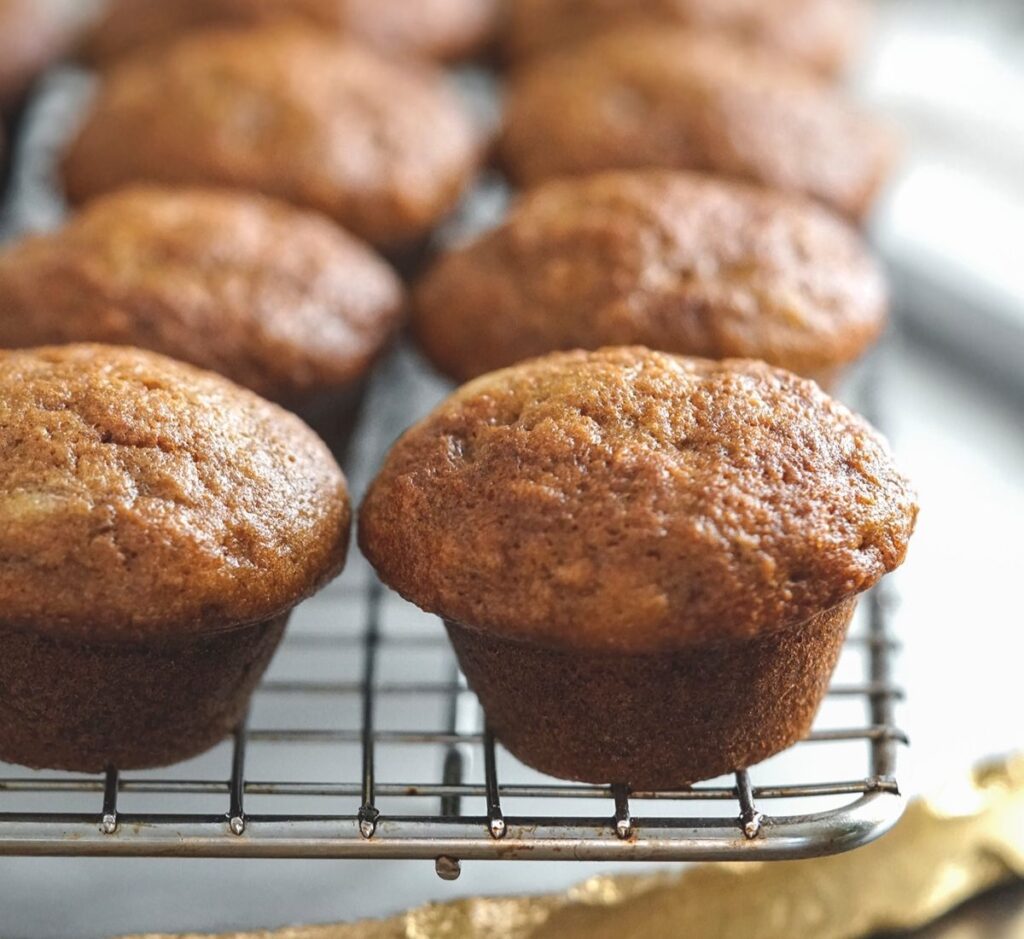
- Banana muffins: These healthy banana muffins for babies or banana carrot muffins with grated carrots and mashed banana – are useful for make-ahead breakfasts.
- Banana bread: My banana bread for babies and toddlers is another way to use ripe bananas.
- Banana sheet pan pancakes: For older kids, these baked banana pancake squares with walnuts, pumpkin seeds, and prunes are a convenient, freezer-friendly option for quick breakfasts, snacks, or school lunchboxes. No flipping required!
Choose preparations and serving textures appropriate for your child’s developmental stage.
Frequently Asked Questions
Can I give banana to my 6-month-old baby?
Yes. Ripe banana can be introduced around 6 months once your baby is developmentally ready for solids. Offer it mashed or in soft, graspable pieces suited to your baby’s feeding skills.
Should I cook banana before giving it to my baby?
No. Ripe banana is naturally soft and can be served raw. Simply peel it and prepare it in an age-appropriate shape or mash it with a fork.
How do I make banana less slippery for baby-led weaning?
Try leaving some clean peel attached as a handle or lightly coating a banana spear in finely ground oats or infant cereal your baby already tolerates. You can also offer mashed banana on a preloaded spoon.
Can banana cause constipation in babies?
Some parents notice changes in their baby’s stools after introducing banana, but research hasn’t established that bananas consistently cause constipation. Stool patterns depend on several factors, including diet, fluids, and the transition to solids. If your baby has persistent constipation, speak with their pediatrician.
Is banana an allergy risk for babies?
Banana allergy is uncommon, but reactions can happen. Possible symptoms include hives, swelling, vomiting, or other symptoms after eating. If you suspect an allergy, stop offering banana and discuss it with your child’s healthcare professional. Breathing difficulty or severe symptoms require emergency care.
Some banana allergies are associated with reactions to latex or certain other fruits, but that doesn’t mean every child with a banana allergy must avoid avocado or kiwi.
Can babies eat banana every day?
Banana can be offered regularly as part of a varied diet. Rotate it with other fruits, vegetables, and iron-rich foods so your baby experiences different flavors, nutrients, and textures.
Can I freeze mashed banana for baby food?
Yes. Portion freshly mashed banana into a clean, freezer-safe container and freeze. Thaw in the refrigerator, stir well, and use within 24 hours of thawing. Discard leftovers that have been in contact with your baby’s mouth.

Banana for Babies: How to Cut & Serve (BLW)
INGREDIENTS
Banana For Baby Led Weaning (As Finger Food)
- 1 banana (ripe)
INSTRUCTIONS
Method 1: Banana Spears for Baby-Led Weaning
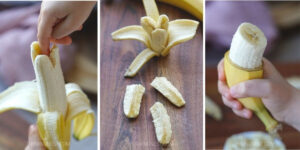
- Wash the banana peel thoroughly before handling.Peel the banana and cut it crosswise into halves if necessary.Gently press your fingertip into the center of one end of the peeled banana.Push downward to split the banana naturally into three long spears.Offer an appropriately sized piece for your baby's developmental stage.
Method 2: Banana With a Peel Handle
- Wash the banana thoroughly.Cut it crosswise into halves.Remove the peel from the upper 1–2 inches, leaving the lower peel attached as a handle.Let your baby grasp the peel while eating the soft exposed banana, with close supervision.Remove the peel before your baby reaches it or if it starts tearing.
Method 3: Mashed Banana
- Peel a ripe banana and mash with a fork.Adjust the consistency with a little breast milk, prepared infant formula, or water if needed.Offer on a spoon or preloaded spoon, depending on your baby's skills.
Serve Frozen Banana For Teething Baby
- Place a small piece of frozen banana into a food feeder (the size depends how large is the pocket). Its convenient and the small handle lets baby get a good grip.
- Make small frozen popsicles from banana puree (you will need 1 banana) and 2-3 tablespoons of yogurt (choose non-dairy yogurt if baby has dairy intolerance). Mix those 2 ingredients in a blender and pour into small popsicle molds. Freeze for about 5-6 hours.
NOTES
More Baby Led Weaning Ideas
More Banana Recipes for Babies & Toddlers
Have a few ripe bananas to use? Try these easy homemade banana recipes for babies and toddlers:


Disclaimer: The information, including but not limited to, text, graphics, images and other material contained on this website are for informational purposes only and not intended for medical advice. Please refer to my full disclaimer for more info.
©ThrivingNest. Content and photographs are copyright protected and need prior permission to use. Copying and/or pasting full recipes to other websites and any social media is strictly prohibited. Sharing and using the link of this recipe is both encouraged and appreciated!




Thank you for detailed info, its really helpful!
You’re welcome, if you have any further questions, let me know!