
Potatoes for Baby (BLW): Steamed, Roasted, Boiled And Mashed
Learn how to cook potatoes for babies 6 months and older using four easy methods: steaming, roasting, boiling, or mashing. These soft potato finger foods and creamy mashed potatoes are perfect for baby-led weaning (BLW) or spoon-feeding. Includes age-appropriate serving tips, cooking times, and easy potato baby food combinations.
Share Recipe
INGREDIENTS
- 2 medium potatoes (washed and peeled (optional to peel for older babies))
For Steaming or Boiling
- Water (enough for the chosen cooking method (approximately 1–2 cups for steaming, depending on the pan))
Optional for Roasted Potatoes
- A little olive oil or avocado oil
- ⅓ teaspoon dried rosemary or sage
- ⅓ teaspoon garlic powder or onion powder
Optional for Mashed Potatoes
- 1 teaspoon unsalted butter or olive oil
- Up to ½ cup warm water or unsalted broth (as needed for consistency)
- Breast milk or prepared infant formula (added to the portion when serving, if desired)
INSTRUCTIONS
1. Prepare the potatoes
- Wash and peel the potatoes, if desired. Cut into thick, finger-length wedges for early BLW, or smaller pieces for babies who can manage them. All potatoes must be cooked until completely soft.
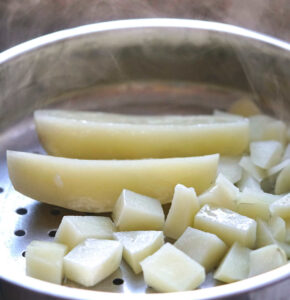
2. Steaming Method (15–20 min)
- Add about 1 inch of water to a saucepan fitted with a steamer basket. Bring to a boil, add the potato wedges, and cover. Steam for approximately 15–20 minutes, until the potatoes mash easily between your fingers.
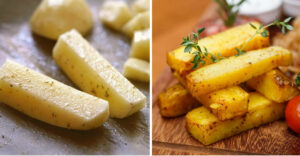
3. Roasting Method (30–40 min)
- Preheat the oven to 375–385°F (190–196°C). Toss the potato wedges with a little oil and optional herbs. Arrange on a parchment-lined baking sheet and roast for 30–40 minutes, turning as needed, until tender. Avoid hard or crispy edges for younger babies.
4. Boiling Method (10–15 min)
- Place peeled potato chunks in a saucepan and cover with water or unsalted broth. Bring to a boil, reduce the heat, and simmer for approximately 10–15 minutes or until completely soft. Drain, reserving some cooking liquid if making mashed potatoes.
5. Mashed Potatoes or Puree
- Mash the fully cooked potatoes with a fork, masher, or ricer. Add warm water or homemade chicken stock gradually until you reach the desired consistency.
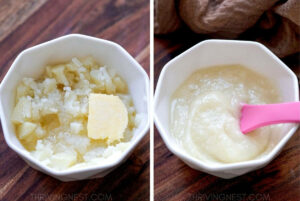
For spoon-feeding, make the potatoes smooth and moist; for BLW, leave them thick enough to scoop or hold on a preloaded spoon.After steaming or boiling, take the soft flesh, mash and puree the cooked potato in a food processor or blender. Add about twice as much liquid back if you need a smooth "soupy" texture.
6. Cool and Serve
- Allow the potatoes to cool to a comfortable temperature and serve in a shape and texture appropriate for your baby's developmental skills.
NOTES
6–8 months: Serve large, soft finger-length potato wedges or mashed potatoes on a preloaded spoon. Avoid small, firm, round pieces.
9–11 months: Offer soft, bite-sized pieces once your baby develops a pincer grasp, or continue serving wedges and mashed potato.
12 months+: Serve soft roasted pieces, mashed potatoes, or other manageable pieces for self-feeding and utensil practice.
Best potatoes: Yukon Gold potatoes are creamy and work well for mashing; Russets are fluffy; red and white potatoes hold their shape well for steaming and roasting.
Avoid gummy mashed potatoes: Use a fork, potato masher, or ricer rather than blending excessively.
Cooking times: These vary depending on potato size and thickness. Always check that potatoes are soft throughout before serving.
- For a fun crinkle-cut shape use a crinkle knife. It’s quick to cut and easy for babies to hold with their little hands because it doesn’t slide off.
- You can also cut the potatoes into other shapes (cubes, strips, small sized half moon shapes or spiralized).
I’d love to hear how it turned out!
Tap ⭐⭐⭐⭐⭐ below to rate it or leave a quick comment! Your feedback helps other readers.👇 NUTRITION
Serving: 1servingCalories: 100kcalCarbohydrates: 21.49gProtein: 2.49gFiber: 2.7gSugar: 0.96g